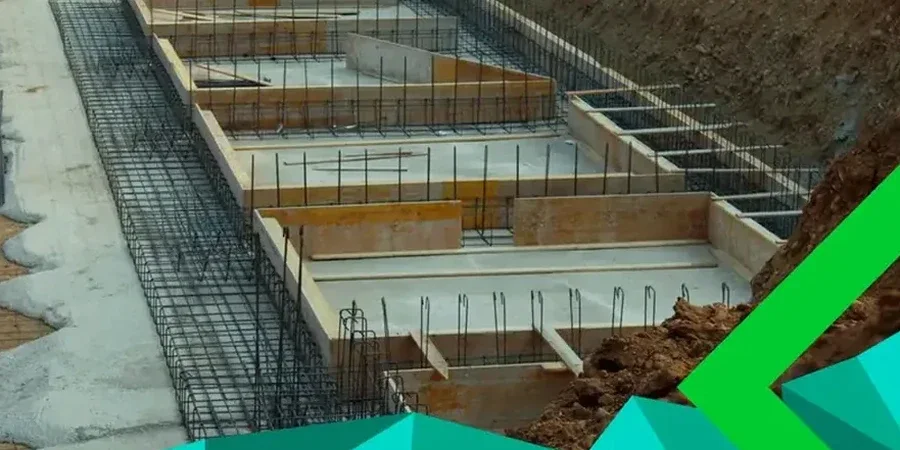
The design process for a shallow foundation in Phoenix typically begins by placing a truck-mounted drill rig on the parcel to advance hollow-stem augers through the upper soil profile. The rig extracts disturbed and relatively undisturbed samples from depths of 5 to 30 feet below grade, targeting the contact between coarse alluvial fan deposits and the underlying cemented caliche that characterizes much of the Salt River Valley. Phoenix sits within the Basin and Range physiographic province at an elevation near 1,100 feet, where late Quaternary sedimentation has produced a layered stratigraphy of sandy gravels, silty sands, and stiff clay lenses that directly govern bearing capacity and settlement calculations. Our laboratory in the metro area processes these samples to determine strength parameters, collapse potential upon wetting, and sulfate content, feeding data into a CPT test correlation when continuous profiling is needed across variable desert subsoils. The resulting geotechnical report translates field and lab data into allowable bearing pressures, embedment depths, and reinforcement schedules tailored to the specific subdivision lot or commercial parcel.
Collapse settlement upon first wetting of the native silty sand can reduce bearing capacity by 40% if not identified during the design phase—this is the single most critical geohazard for shallow foundations in Phoenix.
Scope of work
Local ground factors
The most common failure we observe in Phoenix residential and light commercial construction is designing footings using presumptive bearing values from the IBC without verifying the collapse potential of the near-surface silty sand. A contractor excavates to 18 inches, sees hard tan material, and proceeds with reinforcement placement—only to have monsoon rains or landscape irrigation trigger hydrocompaction settlement of several inches within the first two years. Cracks propagate through stucco veneer, slab-on-grade floors lose support, and repair costs escalate quickly. At a project site near South Mountain, differential movement exceeding 1.5 inches was traced to a buried paleochannel filled with loose silty sand that was not identified during a pre-construction desktop review. A comprehensive shallow foundation design must combine a site-specific geotechnical investigation—including collapse testing per ASTM D5333—with a grading plan that directs surface water away from the building footprint, and a specification for pre-wetting or over-excavation where the collapse index exceeds 5 percent.
Standards used
IBC 2021 (International Building Code) – Chapter 18 Soils and Foundations, ASCE/SEI 7-22 – Minimum Design Loads and Associated Criteria for Buildings and Other Structures, ASTM D5333 – Standard Test Method for Measurement of Collapse Potential of Soils, ACI 318-19 – Building Code Requirements for Structural Concrete (sulfate exposure classes), ASTM D2487 – Standard Practice for Classification of Soils for Engineering Purposes (Unified Soil Classification System)
Related services
Bearing Capacity and Settlement Analysis
We compute net allowable bearing pressure using both shear failure criteria (Terzaghi, Meyerhof, Vesić) and serviceability limits, reporting total and differential settlement estimates for each footing configuration under dead, live, wind, and seismic load combinations.
Collapse Potential Evaluation
Laboratory testing of undisturbed Shelby tube samples quantifies hydrocompression strain at design overburden pressures, allowing us to specify pre-wetting depths, dynamic compaction, or removal and recompaction where the collapse index exceeds project tolerances.
Caliche and Hardpan Characterization
We map the lateral continuity and thickness of the cemented caliche horizon using probe refusal depths and laboratory unconfined compressive strength tests, identifying zones where shallow footings can bear directly on this high-strength natural layer.
Foundation Drainage and Moisture Control Details
Our plans include perimeter subdrain locations, capillary break specifications, and lot grading recommendations to maintain consistent moisture conditions beneath the footings and prevent the wetting front from reaching collapse-susceptible strata.
Typical parameters
Questions and answers
What is the typical cost range for a shallow foundation design package for a single-family home in Phoenix?
For a standard residential lot within the Phoenix metro area, a complete shallow foundation design package—including a site visit, drilling of two to three exploratory borings, laboratory testing for collapse and strength, and the engineering report with stamped foundation plans—generally falls between US$1,730 and US$3,490. The final fee depends on lot size, access constraints for the drill rig, and the number of borings required to satisfy City of Phoenix plan review comments.
How deep do footings need to be in Phoenix's desert soils?
The IBC and Phoenix building code amendments require a minimum embedment of 12 inches into undisturbed natural soil, with typical residential footings placed 18 to 30 inches below finished grade. The critical factor is not just depth but bearing stratum quality: the bottom of the footing must rest below the zone of seasonal moisture fluctuation and, wherever possible, within the naturally cemented caliche layer that provides high bearing capacity and resistance to collapse settlement.
Do shallow foundations in Phoenix require reinforcement for seismic loads?
Yes. Although Phoenix is not located in a zone of extremely high seismicity, ASCE 7-22 assigns the region a moderate seismic design category, and the IBC requires continuous reinforcement in footings and foundation walls. We specify longitudinal and transverse steel per ACI 318 detailing requirements, with additional dowels connecting footings to stem walls to resist the overturning and sliding forces calculated from the mapped short-period spectral acceleration.
What is hydrocompaction and why does it matter for my Phoenix building lot?
Hydrocompaction—also called collapse settlement—occurs when dry, low-density silty sands common across the Phoenix basin are wetted for the first time, causing a sudden reduction in soil volume under the weight of the structure. This phenomenon can produce several inches of differential settlement, damaging slabs, utilities, and wall finishes. Our design protocol includes ASTM D5333 collapse testing so that we can prescribe mitigation measures such as pre-soaking, over-excavation, or deeper footings that bypass the collapsible horizon entirely.
Can you design a shallow foundation on a lot with expansive clay in Phoenix?
Expansive clays are less prevalent in central Phoenix than in other parts of Arizona, but they do appear in pockets within the basin fill. When our laboratory testing identifies plasticity indices above 15 and significant volume change potential, we modify the foundation design to include deepened footings, moisture barriers, and sometimes a structural floor system elevated above a crawlspace to isolate the building from seasonal heave and shrinkage cycles.